Choosing Orlando AC Service: Repair vs Replacement for Your Home

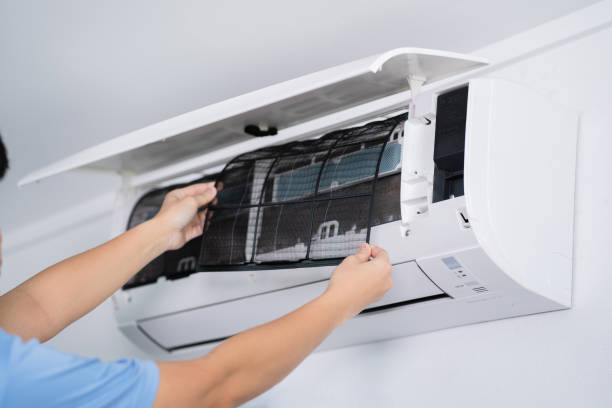
Technician cleaning air conditioner filter Technician cleaning air conditioner filter ac replacement stock pictures, royalty-free photos & images

When your air conditioning (AC) system starts to fail, it can disrupt your daily comfort and lead to significant expenses. Deciding between repairing or replacing your AC unit is a critical decision that requires careful consideration of several factors. Evaluating key aspects such as age, efficiency, cost, and performance can help you determine which option is best suited for your home.

Factors to Consider When Choosing Between Repair and Replacement

  1. Most AC systems have an average lifespan of 10-15 years. If your unit is older than this, replacement might be more cost-effective in the long run.
  2. Older systems are prone to frequent breakdowns and may no longer operate efficiently compared to newer models.
  3. Evaluate the cost of repairs against the value of a new system.
  4. A general rule of thumb is the 50% Rule: if repair costs exceed 50% of the cost of a new unit, replacement is typically the better choice.
  5. Newer systems are often significantly more energy-efficient, leading to lower utility bills over time.
  6. Look for systems with a higher Seasonal Energy Efficiency Ratio (SEER) rating when considering replacement.
  7. If your system requires frequent repairs or maintenance within a short period, it may indicate that it’s nearing the end of its lifespan.
  8. Constant repairs add up over time and may not offer long-term value compared to investing in a new unit.

Benefits of Replacing Your AC Unit

  • Improved Energy Efficiency: Modern units consume less energy while delivering better cooling performance.
  • Warranty Protection: New AC systems come with warranties that cover major components, reducing unexpected repair costs in the first few years.
  • Enhanced Comfort: Newer models often include advanced features such as smart thermostats and zoned cooling capabilities.

When Repair Might Be Better

There are situations when repairing might still be worth considering: – If your system is relatively new (less than 10 years old). – If the required repair is minor or inexpensive (e.g., replacing a capacitor or fixing a refrigerant leak). – When you’re not ready financially for the upfront cost of a replacement.

Factor Repair Replacement
System Age Less than 10 years Over 10 years
Cost Less than 50% of new More than 50%
Energy Efficiency No significant change Better SEER rating
Frequency Rare issues Frequent breakdowns

Making an Informed Decision

To make an informed decision between repair and replacement: – Consult with an HVAC professional who can assess your system’s condition. – Conduct an energy audit to understand how much you could save with a high-efficiency model. – Consider financing options if upfront costs are prohibitive.

By carefully evaluating these aspects, you can ensure that you select the best course of action for both short-term needs and long-term savings.

How an HVAC Company Orlando, FL Can Help You Save on Long-Term Energy Costs

Energy efficiency plays a critical role in determining the long-term costs associated with your HVAC system. From monthly utility bills to the overall lifespan of your equipment, investing in energy-efficient solutions can lead to substantial savings while also minimizing your environmental footprint. Understanding how energy efficiency factors into your HVAC system’s performance will help you make informed decisions for your home or business.

The Benefits of an Energy-Efficient HVAC System

  • Lower Utility Bills: Energy-efficient units use less electricity or fuel, resulting in reduced monthly energy expenses.
  • Eco-Friendly Operation: These systems consume less power, which helps lower greenhouse gas emissions.
  • Improved Performance: Modern energy-efficient systems often incorporate advanced technology that delivers consistent and reliable heating and cooling.
  • Enhanced Comfort: Features like variable-speed motors and smart thermostats provide better temperature control throughout your space.
  • Potential Rebates and Tax Incentives: Many states and utility providers offer financial incentives for homeowners who install high-efficiency systems.

Key Metrics for Evaluating Energy Efficiency

Metric Description Importance
SEER (Seasonal Energy Efficiency Ratio) Measures the cooling output during the warm season divided by the total electric input. Higher SEER ratings indicate greater efficiency. Cooling efficiency for air conditioners
AFUE (Annual Fuel Utilization Efficiency) Represents how efficiently a furnace uses fuel to produce heat. Higher percentages mean more efficient fuel usage. Heating efficiency for furnaces
HSPF (Heating Seasonal Performance Factor) Indicates the efficiency of heat pumps during the heating season. A higher HSPF means better performance. Heat pump heating efficiency

Long-Term Cost Savings from Increased Energy Efficiency

  1. Reduced Operating Costs
    Modern systems designed with high-efficiency components require less energy to operate, which directly impacts your utility bills.
  2. Extended Equipment Lifespan
    Systems that operate efficiently often experience less wear and tear because they don’t need to work as hard to maintain comfortable temperatures.
  3. Lower Maintenance Expenses
    Advanced designs result in fewer breakdowns and repair needs compared to older, less efficient models.
  4. Increased Property Value
    Homes equipped with energy-saving systems tend to attract buyers willing to pay a premium for lower operating costs.

Tips for Improving Your Current System’s Energy Efficiency

  • Schedule routine maintenance (change filters regularly, tune-up before peak seasons).
  • Seal ductwork leaks to prevent cooled or heated air from escaping.
  • Invest in a programmable or smart thermostat for better control over usage patterns.
  • Insulate windows and doors to reduce strain on your HVAC system.
  • Upgrade old components like fans or compressors if fully replacing the unit is unnecessary.

By understanding how energy efficiency impacts long-term costs and savings, homeowners can make smarter decisions about their heating and cooling needs while lowering their overall carbon footprint.

When to Consider Orlando AC Repair or a Full System Replacement

When your air conditioning system begins to require frequent repairs, it can be challenging to determine whether continuing with repairs is a cost-effective solution or if replacing the unit makes more financial and practical sense. Though repair may seem like the simpler option at first, there are several considerations to evaluate that might make replacement the smarter choice in the long run.

The Signs That Repairs Are Becoming Inefficient

  • Constant Breakdowns: If your system fails repeatedly during peak seasons, it could indicate severe wear and tear or outdated technology.
  • Escalating Repair Costs: When repair costs start approaching a significant percentage of what it would cost to replace the system, replacement becomes more practical.
  • Decreased Energy Efficiency: Older systems lose efficiency over time. Frequent malfunctions may lead to higher energy bills even after repairs.
  • Outdated Technology: Units older than 10–15 years may not only require more upkeep but also lack compatibility with modern energy-efficient features.

The Cost Comparison: Repair vs. Replacement

Factor Repair Costs Replacement Costs
Estimated Cost $2,000 (over time) $5,000
Frequency of Occurrence Recurring One-Time
Energy Savings Benefit Minimal Significant

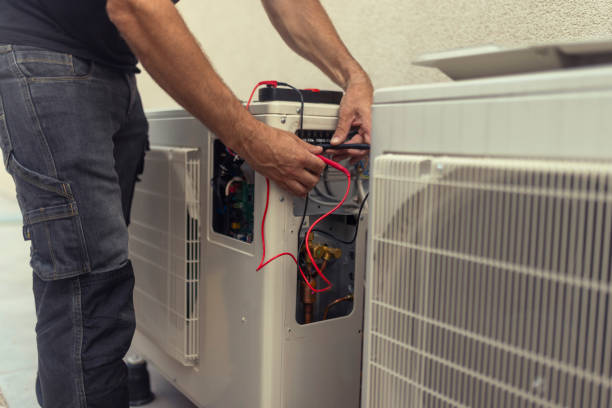
Focused electrician installing a heat pump in the yard, which is very good for households because it increases energy savings The man installs and adjusts the heat pump in the yard. The advantages of using heat pumps in homes are energy efficiency, cost savings ac replacement stock pictures, royalty-free photos & images

Benefits of Replacing Your AC System

  1. Improved Energy Efficiency
    Modern HVAC systems come equipped with advanced technology such as variable-speed compressors and high Seasonal Energy Efficiency Ratio (SEER) ratings. These features reduce energy consumption significantly.
  2. Lower Maintenance Needs
    Newer units require less frequent servicing and are designed for durability.
  3. Enhanced Comfort Levels
    A replacement system can provide more consistent cooling performance and improved humidity control.
  4. Environmental Benefits
    Upgrading to an energy-efficient model reduces your carbon footprint by consuming less electricity.
  5. Warranty Coverage
    New systems typically come with manufacturer warranties that cover parts and labor, giving you peace of mind for years.

When It Makes Sense to Stick With Repairs

  • The problem is minor or isolated (e.g., replacing a capacitor or fan motor).
  • The unit is relatively new (less than 7–10 years old).
  • You plan to move soon and don’t want to invest in a full replacement.

Partnering With an Experienced HVAC Contractor

Deciding between repairing or replacing your AC system requires expert consultation. An experienced HVAC contractor can assess your unit’s condition comprehensively while providing tailored recommendations based on factors such as costs, efficiency, and overall system performance.

By carefully weighing repair expenses against potential savings from a new installation—and consulting with industry professionals—you’ll be empowered to make an informed decision for your home’s comfort and budgetary needs.

Exploring Orlando FL Air Conditioning Repair Services and Installation Options

Investing in a new HVAC system is a significant decision for homeowners. It’s not just about choosing the right equipment; understanding financing and installation options can make a substantial difference in affordability, convenience, and long-term satisfaction. Here’s a closer look at the various aspects of financing and installation to help you make an informed choice.

Financing Options for HVAC Systems

  • Available through banks or online lenders.
  • Fixed monthly payments with interest over a set term.
  • Often requires good credit for favorable rates.
  • Many manufacturers or contractors offer special financing plans.
  • Low-interest or interest-free promotional periods may be available.
  • Convenient as it’s bundled directly with the purchase process.
  • Uses your home’s equity as collateral.
  • Typically offers lower interest rates than personal loans or credit cards.
  • Longer repayment periods mean lower monthly payments but higher total costs over time.
  • Best for small repairs or upgrades rather than full replacements due to higher interest rates.
  • May be beneficial if you have access to low-interest promotional offers.
Factors to Consider:
  • Interest rates: Compare APRs across different lenders or programs.
  • Loan terms: Shorter terms may have higher monthly payments but lower overall costs.
  • Eligibility: Some programs require specific credit scores or income verification.

Key Considerations for HVAC Installation

  1. Look for certifications such as NATE (North American Technician Excellence).
  2. Read reviews and ask for referrals from trusted sources.
  3. Verify licensing and insurance status.
  4. Contractors should perform Manual J calculations to determine proper sizing based on your home’s square footage, insulation levels, climate zone, etc.
  5. Oversized systems lead to short cycling; undersized units struggle to meet demand.
  6. The installer should inspect ducts for leaks, blockages, or inadequate sizing.
  7. Improper ductwork can significantly reduce system performance even if the unit itself is efficient.
  8. Look for systems with Energy Star ratings or high SEER (Seasonal Energy Efficiency Ratio) values for cooling systems and AFUE (Annual Fuel Utilization Efficiency) ratings for furnaces.
  9. Higher efficiency often translates into long-term savings despite higher upfront costs.

Comparing Costs: Upfront vs Long-Term Savings

Cost Component Upfront Cost Long-Term Savings
High-Efficiency Equipment Higher initial cost Reduced energy bills annually
Professional Installation Moderate investment Fewer repairs and longer lifespan
Ductwork Improvements Additional expense Improved airflow & energy savings

When weighing financing options against installation costs, balance upfront affordability with potential long-term savings from efficiency enhancements.

Final Thoughts on Financing and Installation

Understanding your financing options alongside factors influencing proper installation ensures you get maximum value from your HVAC investment while staying within budget constraints. Take time to compare offers and consult knowledgeable professionals who can guide you toward an optimal solution tailored specifically to your home’s needs.

Using the 50% Rule to Determine Whether to Repair or Replace Your HVAC System

When faced with a malfunctioning HVAC system, deciding whether to repair or replace it can be challenging. One practical guideline used by homeowners and professionals is the “50% Rule.” This rule provides a straightforward method for evaluating the cost-effectiveness of repairing versus replacing your heating, ventilation, and air conditioning system.

What Is the 50% Rule?

The 50% Rule suggests that if the cost of repairing your current HVAC system exceeds 50% of the cost of replacement, it is generally more economical to replace it. This approach is especially useful when combined with considerations such as the system’s age, efficiency, and future repair needs.

Repair Cost ÷ Replacement Cost x 100 = % Value

  • If the percentage exceeds 50%, replacement might be the better long-term investment.
  • If it’s below 50%, repairing could still extend your system’s life effectively.

Factors to Consider Beyond Costs

  1. Systems older than 10-15 years may become less efficient and more prone to breakdowns.
  2. Newer units offer higher energy efficiency ratings that can reduce utility costs.
  3. Older systems often have lower Seasonal Energy Efficiency Ratios (SEER), meaning they consume more energy compared to modern models.
  4. Upgrading could lead to significant savings over time.
  5. A system that requires constant repairs likely indicates deeper issues and may no longer be worth maintaining.
  6. Check whether your current unit is still under warranty.
  7. Replacing a unit still covered by a manufacturer’s warranty might not offer immediate financial benefits.

Example Scenario: Repair vs Replacement Costs

Factor Repair Option Replacement Option
Upfront Cost $1,500 $6,000
Expected Remaining Lifespan ~3 years ~15 years
Energy Savings Minimal Potentially $200/year
Total Long-Term Investment* ~$1,800 (repairs) ~$6,000 minus savings

*Assumes no further major repairs needed within lifespan for simplicity.

In this scenario: – The repair cost represents 25% of replacement ($1,500 ÷ $6,000 x 100). – However, if frequent repairs are anticipated due to an aging unit or higher operational costs are expected from inefficiency, replacement may still hold better value despite being above the rule’s threshold.

Benefits of Replacing an Aging HVAC System

  • Lower Energy Bills: Modern systems can cut monthly utility expenses thanks to advanced technologies.
  • Improved Air Quality: New units often feature upgraded filtration systems for cleaner indoor air.
  • Minimal Repairs Required: A new warranty reduces out-of-pocket expenses on maintenance for several years.

By leveraging tools like the 50% Rule while factoring in additional considerations such as energy efficiency and lifespan potential, homeowners can make informed decisions that align with their budgetary goals and comfort priorities.


Expert Tips for Resetting Your Air Conditioning Unit: Orlando AC Service Guide

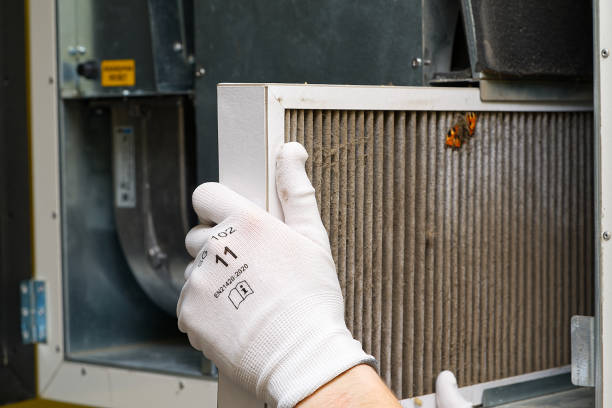
Replacing filter in the central ventilation system. hvac filter replacing home central air system hvac filter replacing. Replacing the filter in the central ventilation system, furnace. Replacing Dirty Air filter for home central air conditioning system. Change filter in rotary heat exchanger recuperator. ac replacement stock pictures, royalty-free photos & images

Resetting your air conditioning (AC) unit may sound like a daunting task, but it’s an essential skill that can help maintain its efficiency and prolong its lifespan. Whether your AC has stopped cooling effectively or isn’t working at all, a reset can often resolve minor glitches without requiring professional intervention. This guide will walk you through the process of resetting your air conditioner safely and effectively.

Reasons to Contact an HVAC Company Orlando, FL for AC Unit Reset

If any of these issues occur, resetting the system may restore normal operation.

Essential Tools for Orlando AC Repair

  1. A user manual for your specific model (helpful for locating reset buttons)
  2. Insulated gloves for safety when dealing with electrical components
  3. Flashlight (if access to certain areas requires better visibility)

Effective Orlando FL Air Conditioning Repair: Why Resetting Your AC Unit Works

  • It clears error codes stored in the system’s memory.
  • Helps restore factory default settings for consistent performance.
  • Prevents unnecessary repairs by resolving small glitches early.

Step-by-Step Instructions for Resetting Your Air Conditioner

1. Turn Off Power Supply

Locate the circuit breaker connected to your HVAC system and switch it off to cut power from the unit entirely. This step ensures safety while preventing further electrical issues during handling.

2. Locate the Reset Button

Most modern AC units come equipped with a reset button located on either the indoor or outdoor unit (refer to your manual). If there isn’t one built-in, this might need alternative troubleshooting techniques.

3. Press and Hold Reset

Press down on this button firmly for several seconds—usually around 5–10 seconds—until you see lights blinking or hear a click noise indicating success.

4. Power On System Again

Return back where applicable switches left undone reconnect older systems manually rectified reconnect

Why Resetting Your AC Unit is Crucial for Proper Functionality

Resetting your air conditioning unit is an essential maintenance practice that can help restore its functionality and efficiency. Often overlooked by homeowners, this simple task can address common operational issues and save money on energy bills and repairs. Here’s why resetting your AC system should be a part of your HVAC care routine.

Resolving Operational Issues

An air conditioning unit may stop working properly for various reasons, such as power surges, system overloads, or thermostat malfunctions. A reset allows the internal systems to recalibrate and return to normal operation. Common problems that can be resolved by resetting include: – The AC not cooling despite running. – The system failing to turn on. – Irregular cycling or shutting off unexpectedly.

Resetting acts as a soft reboot for the system, akin to restarting a computer. It clears temporary glitches and restores communication between components.

Improving Energy Efficiency

A malfunctioning air conditioner can consume much more energy than necessary. When issues arise in the control board or compressor, the unit may work harder than needed, leading to higher utility bills. Resetting the system can prevent unnecessary power consumption by re-establishing proper operation parameters.

Energy efficiency benefits of resetting include: – Reduced electricity usage. – Lower monthly utility costs. – Prolonged lifespan of the AC components due to less strain.

Protecting System Components

When your air conditioning unit isn’t functioning correctly, sensitive parts like the compressor could become overworked or damaged over time. By performing a reset early when problems occur, you minimize further stress on critical components such as: – Fan motors. – Refrigerant lines. – Electrical wiring.

Preventive resets help mitigate wear and tear while also identifying deeper issues before they escalate into costly repairs.

When Should You Reset Your AC Unit?

Knowing when it’s time to reset your air conditioner is just as important as understanding how it works. Below are scenarios where a reset might be necessary:

1. After a power outage or surge: Power disruptions often cause internal circuit boards to trip or malfunction temporarily.

2. If there are thermostat errors: Incorrect temperature readings might indicate miscommunication between the thermostat and main unit.

3. Following HVAC maintenance: Technicians may recommend resetting after performing routine service work.

Tips for Safe AC Resets

While resetting an air conditioning unit is generally simple, safety should always come first: – Turn off power at the circuit breaker before starting any reset process to avoid electrical hazards. – Follow manufacturer instructions included in your owner’s manual specific to your model. – Avoid frequent resets; if problems persist after one attempt, it’s best to consult an HVAC professional.

Resetting your AC ensures stability in performance and helps maintain optimal functionality throughout its lifespan—making it an integral part of maintaining home comfort effectively year-round.

Step-by-Step Guide on How to Reset Your AC System Safely and Effectively

Resetting your air conditioning system is sometimes necessary when it starts malfunctioning or doesn’t perform as expected. Whether the issue is related to a tripped circuit breaker, a power outage, or an internal error, resetting your AC can often restore its functionality without the need for professional intervention. Follow this step-by-step guide to reset your AC system safely and effectively.

1. Check Your Thermostat Settings

Before resetting the system, ensure that the thermostat settings are accurate.
– Verify that the thermostat is set to “cooling” mode.
– Check if the temperature setting is lower than the current room temperature.
– Replace batteries if the thermostat display appears dim or unresponsive.

This simple step can save you time by ruling out thermostat-related issues.

2. Turn Off Power to Your AC Unit

For safety reasons, always disconnect power before performing any reset procedures. Use these steps:
– Locate your home’s electrical panel (breaker box).
– Identify and switch off the breaker labeled “AC” or “HVAC.”
– Alternatively, if your unit has a dedicated power switch near the outdoor condenser, turn it off as well.

Allow at least 5 minutes for residual energy in the system’s components to discharge fully.

3. Reset Using Your Outdoor Unit (Condenser) Button

  • Find the small red or black button on your condenser unit (it may be labeled “reset”).
  • Press and hold this button for 3–5 seconds until you hear a click or notice a restart process beginning.

If your unit doesn’t have a reset button, skip this step—manual resetting via power cycling will suffice.

4. Restore Power to Your AC System

  1. Turn back on the circuit breaker you previously turned off.
  2. If applicable, flip on the outdoor condenser switch.
  3. Wait around 30 minutes before testing your system to allow internal components like capacitors and compressors enough time to stabilize.

5. Test Operation of Your Air Conditioner

  • Set your thermostat to “cool” mode and select a lower temperature than room temperature.
  • Observe whether cool air begins flowing from vents within several minutes.
  • Check for unusual noises or irregularities during operation—these could signal deeper issues requiring professional inspection.

Key Points and Safety Tips While Resetting Your AC

Action Why It’s Important
Wait at least 5 minutes Prevents potential damage from sudden reconnection of electrical currents
Avoid touching wiring Reduces risk of electric shock—always turn off power when handling electrical parts
Monitor performance Ensures reset resolves functionality issues without causing secondary problems

By following these steps carefully and adhering to safety precautions, most homeowners can troubleshoot basic AC problems effectively while reducing downtime in their cooling systems.

If resetting doesn’t resolve recurring issues such as weak airflow, inconsistent cooling, or frequent breakdowns, it may indicate underlying problems such as refrigerant leaks or failing components that require professional expertise for repair or replacement services.

Understanding When to Call a Professional HVAC Contractor for Help

video thumbnail

While some minor HVAC issues can be resolved with basic troubleshooting, there are situations where calling a professional HVAC contractor becomes essential. Knowing when to seek expert help can save you time, prevent further damage to your system, and ensure your home remains comfortable year-round. Below, we’ll discuss signs that indicate it’s time to reach out to an experienced contractor.

Signs You Need Professional Assistance

  1. Persistent clanging, banging, or hissing sounds from your HVAC system often signify internal component issues.
  2. These problems could range from loose parts to failing motors or compressors that require specialized tools and expertise.
  3. An AC unit that turns on and off repeatedly without properly cooling your home might be experiencing electrical or thermostat malfunctions.
  4. Diagnosing these issues requires professional testing equipment.
  5. If certain rooms in your home are significantly cooler or warmer than others, airflow issues or ductwork problems may be the cause.
  6. Professionals have advanced diagnostic tools like thermal imaging cameras to identify blockages and leaks.
  7. A sudden increase in utility bills can indicate reduced efficiency due to worn components, dirty filters, or refrigerant leaks.
  8. Experts can assess energy usage patterns and perform tune-ups to restore efficiency.

Common Scenarios That Require a Professional’s Expertise

Problem Potential Cause Why You Need a Pro
System Not Turning On Electrical failure Safely handling electrical components is critical for safety and compliance with local codes.
Weak Airflow Clogged ducts Cleaning ducts often requires specialized vacuums and knowledge of the duct system layout.
Refrigerant Issues Low refrigerant levels Refrigerants are hazardous materials that should only be handled by certified technicians.
Water Leaks Blocked drain lines Properly clearing condensate lines prevents water damage and mold growth.

Benefits of Hiring a Licensed HVAC Contractor

  • Expert Diagnostics: Professionals use advanced tools like pressure gauges and performance testers for accurate analysis.
  • Time-Saving Repairs: With extensive training and experience, contractors complete repairs faster than DIY attempts.
  • Warranty Protection: Many HVAC systems require licensed technicians for repairs to keep warranties valid.
  • Safety Assurance: Contractors follow industry safety standards when handling electrical components or refrigerants.

How to Choose the Right HVAC Contractor

  • Licensing and Certification: Verify that the contractor holds state-required licenses and certifications such as NATE (North American Technician Excellence).
  • Experience: Look for contractors with several years of proven expertise in servicing systems similar to yours.
  • References & Reviews: Check online reviews or ask for references from past clients before making your choice.
  • Transparent Pricing: Always request an itemized estimate before authorizing any work.

When you notice signs of trouble with your heating or cooling system that go beyond basic fixes, don’t delay contacting an experienced HVAC contractor. Their expertise ensures your system operates efficiently while avoiding costly future breakdowns.

Expert Advice on Resetting an AC Compressor for Optimal Performance

Your air conditioning system’s compressor plays a vital role in circulating refrigerant and maintaining the cooling efficiency of your HVAC unit. If your AC is not functioning as expected, resetting the compressor might be necessary to restore its performance. However, this should be done with care to avoid potential damage to the system. Below is expert advice on safely and effectively resetting your AC compressor for optimal performance.

Why You May Need to Reset Your Compressor

  • Power surges or outages: Electrical disruptions can trigger the unit’s safety mode, causing it to stop working.
  • Overheating issues: If the compressor overheats due to prolonged use or inadequate maintenance, it may shut off automatically.
  • Unusual operation: A reset can help address minor glitches, such as short cycling or insufficient cooling.

Before resetting, check for visible issues like tripped breakers, dirty filters, or clogged condensate lines that may require immediate attention.

Steps to Safely Reset Your AC Compressor

  1. Set your thermostat to “Off” mode. This prevents signals from being sent while you reset the system.
  2. Locate the breaker box connected to your HVAC system and turn off the circuit breaker labeled for the air conditioner. This ensures no electricity flows through the unit during the reset process.
  3. Allow sufficient time for residual electricity in the capacitor or internal components of the AC unit to discharge completely.
  4. Flip on the circuit breaker supplying power to your air conditioner.
  5. Set your thermostat back to “Cool” mode and adjust it to a desired temperature setting that triggers cooling.

Once completed, monitor how well your AC performs over time. If normal operation does not resume after a reset, troubleshooting by a professional contractor may be necessary.

Preventing Common Issues That Lead to Resets

  • Schedule regular maintenance checks by certified HVAC technicians.
  • Replace air filters every 1-3 months depending on usage and environmental factors.
  • Ensure proper airflow by keeping vents open and unblocked.
  • Keep outdoor units free from debris like leaves or grass clippings.
  • Monitor refrigerant levels during seasonal inspections.

When It’s Time for Professional Assistance

If you experience frequent breakdowns requiring resets or observe symptoms like loud noises from the outdoor unit, inconsistent cooling across rooms, or persistent tripping of breakers, contact an experienced HVAC contractor immediately. Attempting advanced repairs without expertise could lead to costly damage or voided warranties.

By following these expert tips and maintaining a proactive approach toward servicing your HVAC system, you can ensure better cooling efficiency while extending its lifespan effectively.

Top Tips for Preventing Common Issues with Your Air Conditioning System

Preventing air conditioning issues before they arise is one of the most efficient ways to save money, maintain comfort in your home, and extend the lifecycle of your HVAC system. By following a few best practices and staying proactive with maintenance, you can keep your AC running smoothly year-round. Below are tips to help you avoid common air conditioning problems.

1. Schedule Regular Maintenance

Routine maintenance is key to ensuring your system runs efficiently. Most HVAC contractors recommend scheduling professional maintenance at least once a year, preferably before the cooling season begins. During maintenance visits, technicians will:
– Inspect and clean components such as coils and filters
– Test refrigerant levels and recharge if necessary
– Check for leaks or faulty electrical connections
– Lubricate moving parts to reduce wear

This proactive approach helps identify issues early before they escalate into costly repairs.

2. Replace or Clean Air Filters Regularly

Dirty or clogged air filters can restrict airflow, making your AC unit work harder than necessary and reducing its efficiency. Here’s a general guideline for replacing air filters:
| Filter Type | Replacement Frequency |
|———————–|——————————-|
| Standard Fiberglass | Every 30–60 days |
| Pleated High-Efficiency | Every 90 days |
| Reusable/Washable | Clean monthly; replace annually |

Always check your manufacturer’s recommendations for the specific type of filter used in your system.

3. Keep Outdoor Units Clear of Debris

The outdoor condenser unit plays a critical role in cooling your home. To prevent common issues like overheating or restricted airflow:
– Trim vegetation around the unit to maintain at least two feet of clearance on all sides.
– Remove leaves, dirt, and debris that accumulate on or near the unit regularly. – Ensure adequate shading without obstructing ventilation pathways.

Proper care of the outdoor unit supports better performance and energy efficiency.

4. Monitor Thermostat Settings

Incorrect thermostat settings often lead to system inefficiency or unnecessary strain on components. Follow these tips for optimal operation:
– Use programmable thermostats to adjust temperature settings automatically when you’re away or asleep. – Avoid setting temperatures too low during extreme heat; aim for consistent but moderate cooling levels. – Calibrate your thermostat periodically to ensure accurate readings.

Smart thermostats can also improve energy management by learning usage patterns over time.

5. Inspect Ductwork for Leaks or Blockages

Leaky ducts can waste up to 30% of conditioned air, reducing energy efficiency significantly while driving up utility bills. Periodically check ductwork for:
– Visible tears, cracks, or gaps where joints connect
– Obstructions like accumulated dust that impedes airflow
Sealing leaks with mastic sealant or foil tape is an effective way to minimize energy loss.

6. Avoid Overworking Your System

Running an AC constantly without breaks can shorten its lifespan over time. To prevent overuse-related wear: – Close windows and doors while operating the air conditioner. – Use ceiling fans alongside your AC system to help distribute cool air evenly across rooms. – Invest in proper insulation throughout your home so indoor temperatures stay consistent longer after cooling cycles end.

By implementing these preventive measures consistently throughout each season, homeowners can significantly reduce unexpected breakdowns while enhancing overall system efficiency and reliability long-term.


Expert Orlando AC Service: Ensuring Reliable Cooling Solutions

An unrecognizable electrician installs a heat pump in the courtyard of a residential building Close-up on the hands of the electrician installing the heat pump, connecting the wires ac replacement stock pictures, royalty-free photos & images

HVAC contractors play a critical role in ensuring that homes and businesses maintain comfortable temperatures, especially during the warmer months. Their expertise lies not only in installing and maintaining cooling systems but also in troubleshooting and providing tailored solutions to meet the specific needs of each client. Here’s a breakdown of their key responsibilities and how they ensure reliable cooling services.

Installation of Cooling Systems

Proper installation is crucial for optimal performance, energy efficiency, and longevity.

  • Assess the size and layout of the space to determine appropriate system capacity.
  • Recommend suitable cooling systems based on energy efficiency ratings (e. g. , SEER ratings for central AC units).
  • Ensure proper placement to optimize airflow and system functionality.
  • Calibrate thermostats for accurate temperature control.

Routine Maintenance Services

Regular maintenance is essential for reliable cooling performance. HVAC contractors provide a range of maintenance services that help prevent expensive repairs or unexpected system failures.

  • Cleaning or replacing air filters to improve airflow and indoor air quality.
  • Inspecting ductwork for leaks or blockages that could reduce efficiency.
  • Checking refrigerant levels to ensure proper cooling capabilities.
  • Examining electrical connections, motors, and fans for wear or damage.

By scheduling annual or biannual tune-ups with an HVAC contractor, homeowners can extend the life span of their systems while reducing their energy consumption.

Troubleshooting Cooling Issues

When an air conditioning system malfunctions, it can lead to discomfort and even health risks during extreme heat. HVAC contractors are well-equipped to diagnose issues efficiently and recommend cost-effective solutions.

  • Insufficient cooling due to low refrigerant levels or clogged filters.
  • Unusual noises caused by motor failure or loose components.
  • Uneven cooling stemming from poorly designed ductwork or system imbalances.

Their ability to address these issues promptly minimizes downtime while protecting long-term system health.

Upgrades & Energy Efficiency Solutions

Many homeowners are now opting for more energy-efficient solutions as part of their cooling requirements. HVAC contractors offer guidance on upgrades such as high-efficiency AC units, smart thermostats, or zoning systems that allow precise temperature control in different areas of a property. These options not only enhance comfort but also lead to significant savings on energy bills over time.

Key Tasks Benefits Provided by Contractors
System Installation Proper sizing ensures efficient performance
Preventive Maintenance Avoids costly repairs; extends equipment lifespan
Issue Diagnosis & Repair Minimizes downtime; protects against bigger failures
Energy Efficiency Upgrades Reduces utility costs while enhancing home comfort

Emergency Services

When an AC unit breaks down during extreme temperatures, prompt response is essential. Many professional HVAC contractors offer 24/7 emergency repair services to restore functionality without delay.

By hiring reliable professionals, clients can be assured that their cooling needs will be handled with expertise from start to finish—whether it’s preventative care, repairs, or complete replacement services.

Reliable climate control is integral not just for individual comfort but also for maintaining healthy indoor environments. Skilled HVAC contractors are indispensable partners in achieving this goal through their comprehensive knowledge, technical skills, and commitment to customer satisfaction.

Comprehensive Heat Pump Services from a Leading HVAC Company in Orlando, FL

Heat pumps have become a cornerstone of modern HVAC systems due to their ability to provide both heating and cooling efficiently. HVAC contractors play a vital role in ensuring these systems operate optimally, offering a range of comprehensive services tailored to the specific needs of homeowners and businesses.

What Are Heat Pump Services?

Heat pump services encompass various tasks designed to install, maintain, repair, or replace heat pumps. These services ensure that the system functions effectively across all seasons.

  • Heat Pump Installation:
    Proper installation is critical for optimal performance. Contractors assess factors like size, energy efficiency ratings (SEER and HSPF), and compatibility with existing ductwork before recommending and installing a heat pump.
  • Routine Maintenance Services:
    Scheduled maintenance ensures longevity and efficiency. Tasks include cleaning or replacing filters, inspecting electrical components, lubricating moving parts, and checking refrigerant levels.
  • Repair Services:
    Addressing issues like compressor failure, refrigerant leaks, or thermostat malfunctions requires expert attention. Timely repairs can prevent further damage and costly replacements.
  • Replacement Solutions:
    If a heat pump is outdated or beyond repair, contractors can recommend energy-efficient models suited to the customer’s needs.

Why Are Heat Pump Services Important?

  1. Energy Efficiency
  2. Extended Lifespan
    Proper care prevents wear-and-tear damage and prolongs the life expectancy of the unit.
  3. Consistent Comfort
    Heat pumps provide year-round comfort by effectively heating in winter and cooling during summer months when functioning properly.
  4. Environmental Benefits
    Energy-efficient models reduce carbon footprints by utilizing renewable energy sources like ambient air or geothermal energy for heating/cooling purposes.
  5. Cost Savings Over Time
    An efficiently running system reduces repair costs while lowering monthly energy bills.

Comparing Heat Pumps With Traditional Systems

Feature Heat Pumps Traditional HVAC Systems
Energy Source Renewable sources (air/ground) Fossil fuels (gas/oil)
Heating & Cooling Dual functionality Separate units for heating/cooling
Maintenance Costs Lower with regular upkeep Higher over time
Environmental Impact Lower emissions Higher emissions

Signs You May Need Heat Pump Service

  • Insufficient heating or cooling performance
  • Unusual noises such as grinding or squealing
  • Unexpected spikes in utility bills
  • Frequent cycling on/off without maintaining set temperatures
  • Visible ice buildup on outdoor units

Addressing these problems promptly with professional help can save time and money while ensuring consistent comfort throughout the year.

Final Thoughts on Comprehensive Heat Pump Services

Whether you’re installing a new system or maintaining an existing one, professional heat pump services are essential in maximizing performance while minimizing operating costs. By partnering with qualified HVAC contractors who understand the intricacies of modern systems, you can enjoy efficient climate control tailored to your unique requirements year-round.

Understanding Orlando AC Repair and the Role of Heat Pumps in Modern HVAC Systems

Heat pumps have become an essential component of modern heating, ventilation, and air conditioning (HVAC) systems. They are designed to efficiently regulate indoor temperatures by transferring heat from one area to another. Whether it’s heating your home during winter or cooling it in summer, heat pumps offer versatile solutions that can reduce energy usage and enhance comfort. This article explores the comprehensive services available for heat pumps and why they are vital for today’s HVAC systems.

Top Orlando FL Air Conditioning Repair Services by Trusted Contractors

HVAC contractors provide a range of critical services for heat pumps. These services ensure optimal performance, energy efficiency, and longevity of the system.

  1. Proper sizing to fit your home’s needs.
  2. Professional setup for efficient operation.
  3. Testing to verify functionality after installation.
  4. Cleaning coils, fans, and other components to improve efficiency.
  5. Inspecting electrical connections and refrigerant levels.
  6. Lubricating moving parts to prevent wear and tear.
  7. Identifying faulty components such as compressors or reversing valves.
  8. Fixing refrigerant leaks that affect thermal transfer performance.
  9. Troubleshooting noise issues or uneven temperature distribution.
  10. Replacing outdated models with energy-efficient alternatives.
  11. Upgrading systems to meet new environmental standards or SEER (Seasonal Energy Efficiency Ratio) ratings.
  12. Assessing current energy usage patterns.
  13. Providing recommendations on optimizing settings for reduced utility bills.

Why Heat Pump Services Are Essential

Modern heat pump systems play a pivotal role in creating energy-efficient homes while reducing overall carbon footprints.

  • Energy Efficiency Gains: Regular maintenance ensures that your heat pump operates at peak performance, minimizing electricity consumption compared to neglected systems.
  • Prolonged Lifespan: Timely repairs and thorough inspections prevent small issues from escalating into costly replacements.
  • Year-Round Comfort: With dual functionality (heating/cooling), heat pumps need specialized care to perform effectively across seasons.
  • Environmental Benefits: Modern units rely on eco-friendly refrigerants like R410A or R32 which require professional handling during repairs or replacement.

Comparing Heat Pumps with Traditional HVAC Systems

Feature Heat Pumps Traditional HVAC Systems
Functionality Heating & Cooling Typically limited to one function
Energy Efficiency High (due to thermal transfer method) Moderate
Environmental Impact Lower emissions Higher emissions depending on fuel used
Maintenance Frequency Regular servicing required Varies based on fuel type/system

Signs Your Heat Pump Needs Professional Attention

  • Insufficient heating or cooling despite proper settings.
  • Unusual noises such as grinding or squealing during operation.
  • Sudden spikes in utility bills without changes in usage patterns.
  • Frequent cycling on/off, reducing overall efficiency.
  • Ice buildup on the outdoor unit even in moderate weather conditions.

If any of these signs appear, contacting a licensed HVAC professional is highly recommended for timely interventions to restore functionality.

By understanding the importance of comprehensive heat pump services offered by skilled contractors, homeowners can enjoy year-round comfort alongside reduced energy costs while making their homes more environmentally sustainable through advanced technologies like this integral component of modern HVAC systems.

Recognizing the Five Signs That Your Air Conditioning Unit Requires Immediate Replacement

Man hand hold air conditioner filter cleaning concept. Man hand hold air conditioner filter cleaning concept. ac replacement stock pictures, royalty-free photos & images

Air conditioning units play a vital role in maintaining indoor comfort, especially during hot seasons. However, like any mechanical system, they have a finite lifespan and can develop issues over time. Knowing when to replace your air conditioning unit rather than just repairing it is crucial for efficiency, cost savings, and comfort. Here are five key signs that indicate your AC system may require immediate replacement.

1.Frequent Repairs

If your AC unit has been breaking down repeatedly or requires continuous repairs, it may no longer be cost-effective to keep fixing it.
Repair Costs vs. Replacement Costs: If repair expenses exceed 50% of the cost of a new unit, replacement is generally recommended.
Downtime: Repeated repairs often result in prolonged periods without cooling, which can be inconvenient and uncomfortable.

2.Inconsistent Cooling Performance

An air conditioner that struggles to maintain a consistent temperature or fails to cool certain areas of your home is another red flag:
– Uneven cooling indicates potential issues with internal components such as the compressor or coils. – Persistent “hot spots” in specific rooms suggest that the system might not be powerful enough for your space or may have lost efficiency over time.

Upgrading to a newer model with enhanced performance can resolve these problems effectively.

3.Rising Energy Bills

A sudden increase in energy bills could signal declining efficiency in your air conditioning unit:
| Symptoms | Possible Causes | Solution | |—————–|——————————————|————————-| | Higher utility costs | Aging components that consume more energy | Replace with an ENERGY STAR-rated model for better efficiency | | Long run times | The system struggles to reach desired temperatures | Upgrade to a modern AC with advanced technology |

Older units generally lack energy-saving features found in newer models, making them less economical over time.

4.Excessive Noise or Odors

Unusual noises like grinding, rattling, or squealing indicate significant mechanical wear and tear:
– Grinding noises may point to motor failure. – Musty odors could mean mold growth within the ducts or system itself. Replacing an outdated AC helps address these issues while improving indoor air quality.

5.Age of the System

The average lifespan of an air conditioner is around 10–15 years, depending on usage and maintenance practices:
– Systems older than this range are more prone to failures. – Advancements in HVAC technology ensure that newer models operate more efficiently than older ones.

If your unit has surpassed its expected lifespan and exhibits other signs of inefficiency or malfunction, replacement is likely the best choice.

Final Thoughts

Recognizing these critical signs early will help you avoid unnecessary expenses and discomfort caused by an aging or inefficient AC system. Consult with a licensed HVAC contractor for professional assessments and recommendations tailored to your home’s cooling needs. Proactive action ensures long-term comfort and better energy efficiency while preventing unexpected breakdowns during peak seasons.

The Importance of Hiring Experts for Professional HVAC Replacement Services

HVAC systems are complex and require specialized knowledge to install, repair, or replace components. Here’s why hiring experts for professional HVAC replacement services is a critical decision.

Benefits of Hiring Professional HVAC Contractors

  1. Professionals have the expertise to evaluate your home’s cooling and heating requirements accurately.
  2. They can recommend the right-size unit for your space, ensuring optimal energy efficiency and comfort.
  3. An improperly sized system can lead to issues such as uneven temperatures and higher energy bills.
  4. Installing an HVAC system involves intricate tasks such as ductwork modifications, electrical connections, refrigerant line installation, and calibration of controls.
  5. Certified contractors are trained to follow industry standards and manufacturer guidelines during replacement processes.
  6. Professional contractors ensure that all components are functioning cohesively, reducing energy wastage.
  7. They also provide advice on modern energy-efficient models that align with your budget.
  8. Experts have access to specialized tools that ensure precision during installation or replacement procedures.
  9. Using advanced diagnostic equipment helps identify underlying issues that may go unnoticed in a DIY approach.

Risks of DIY or Unqualified Replacements

  • Improper Installation: Incorrect setup can cause frequent breakdowns or reduced lifespan of equipment.
  • Voided Warranties: Many manufacturers require proof of professional installation to honor warranties on their systems.
  • Higher Long-Term Costs: Mistakes from improper replacements often lead to costly repairs down the line.

Factors Professionals Consider During Replacement

Factor Importance
Home Insulation Helps determine energy requirements based on how well-insulated your home is.
Existing Ductwork Condition Ensures ducts do not leak air or reduce system efficiency post-replacement.
Local Climate Guides selection between heating-dominant or cooling-dominant systems.
Energy Ratings Supports choosing high-efficiency units for long-term savings.

Long-Term Benefits of Professional Services

  • Improved Indoor Air Quality (IAQ)– Properly installed systems help filter out allergens and pollutants more effectively.
  • Reduced Utility Bills– Efficient setups minimize power consumption.
  • Extended System Lifespan– Expert handling reduces wear-and-tear risks.
  • Peace of Mind– You’ll avoid unnecessary stress associated with troubleshooting installation errors.

Hiring experts ensures not only optimal performance but also safety compliance with local codes and regulations—something that untrained individuals may overlook during replacements. Always choose licensed contractors who hold certifications like NATE (North American Technician Excellence) or equivalent credentials for trusted service delivery.

Key Benefits of Regularly Replacing AC Filters for Optimal HVAC Performance

Neglecting this essential chore can lead to poor air quality, reduced energy efficiency, and costly repairs. Below are the key benefits of staying consistent with AC filter replacement.

Improved Indoor Air Quality

  • Minimize allergens in the air
  • Reduce respiratory issues caused by poor air quality
  • Create a cleaner and healthier environment for your family or employees

Enhanced Energy Efficiency

  • The system operates more efficiently
  • Energy costs are reduced over time
  • Wear and tear on HVAC components is minimized

According to the U. S. Department of Energy (DOE), replacing a dirty filter with a clean one can lower your air conditioner’s energy consumption by between 5% and 15%.

Prolonged HVAC System Lifespan

A regularly maintained system lasts longer compared to one that’s neglected. Dirty filters allow dirt and debris to accumulate within the HVAC unit, which may cause internal damage over time.

  • Preventive maintenance extends the lifespan of the unit
  • You avoid frequent breakdowns or premature replacement

Cost Savings Over Time

Expense Type With Clean Filters With Dirty Filters
Energy Bills Lower due to efficient operation Higher due to increased energy use
Maintenance Costs Reduced frequency of repairs Increased likelihood of component failure
Replacement Costs Delayed system replacement timeline Shortened equipment lifespan

Better Cooling Performance

Clean filters promote better airflow throughout your home or office space, ensuring uniform cooling or heating distribution.

  • Rooms may feel unevenly cooled or heated
  • The system cycles more frequently, leading to inefficiency
  • Comfort levels are reduced significantly

By maintaining clean AC filters, homeowners and businesses can enjoy consistent temperatures without overburdening their HVAC systems.

  • Basic fiberglass filters: Every 30 days
  • Pleated or high-efficiency particulate air (HEPA) filters: Every 60–90 days
  • Homes with pets/allergies: Every 20–45 days

Proper maintenance ensures optimal performance while protecting both your investment in an HVAC system and the comfort it provides.

How to Identify and Resolve Issues with Refrigerant Tubes in Your HVAC System

Refrigerant tubes are a critical component of any HVAC system. They are responsible for transferring the refrigerant, which facilitates the cooling and heating processes.

Common Signs of Refrigerant Tube Issues

It’s important to detect problems early before they escalate.

  • Ice Formation on Tubes: Ice on the tubes is often a sign of low refrigerant levels or restricted airflow.
  • Hissing or Bubbling Sounds: These noises could indicate a leak in the refrigerant line.
  • Insufficient Cooling: If your space isn’t cooling adequately, damaged or leaking refrigerant tubes could be the culprit.
  • Increased Energy Bills: A compromised refrigerant line can force your system to work harder, leading to higher utility costs.
  • Unpleasant Odors: Leaks in the refrigerant line may emit chemical odors inside or near your unit.

Steps to Resolve Refrigerant Tube Issues

  1. Check for corrosion, wear-and-tear, or punctures along the tubing.
  2. Use a flashlight to inspect hard-to-reach areas.
  3. Utilize an electronic leak detector to identify leaks along the tubing.
  4. Alternatively, apply a soapy water solution and look for bubbling as an indication of leakage.
  5. For small leaks, you can use epoxy sealants designed specifically for HVAC systems.
  6. Ensure the seal is applied uniformly and allow adequate drying time according to product instructions.
  7. If damage is significant or beyond repair, replacement is necessary.
  8. Consult an HVAC professional for tube replacement as specialized tools and expertise are required.
  9. After repairing leaks or replacing damaged tubes, ensure proper levels of refrigerant are restored.
  10. Always use the manufacturer-recommended type of refrigerant when recharging.
  11. Ensure filters and coils near the tubing are clean and free from debris.
  12. Proper airflow prevents unnecessary strain on refrigerant lines.

Preventative Maintenance Tips

  • Schedule regular inspections by certified HVAC professionals.
  • Keep filters clean; clogged filters can increase pressure on tubing.
  • Monitor energy bills for sudden spikes as this may indicate inefficiencies caused by tube damage.
  • Avoid DIY repairs unless you have proper training; improper handling can worsen existing issues.
Issue Possible Cause Recommended Action
Ice formation Low airflow/Refrigeration leak Clean filters/Inspect for leaks
Hissing sounds Line damage/Leaks Test using electronic detector/Seal
Reduced efficiency Worn-out tubes Replace damaged sections

Regular inspection paired with prompt attention to visible signs of trouble will keep your system operating efficiently year-round.