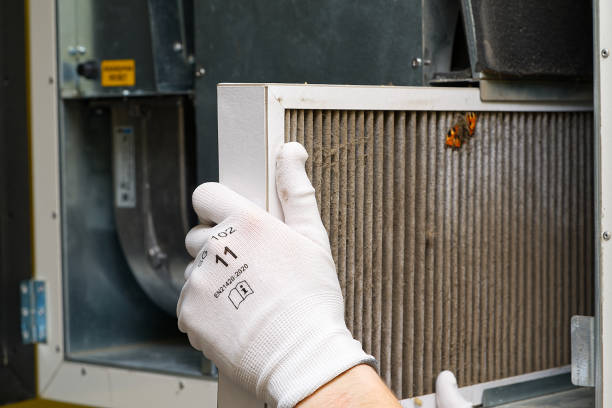
Resetting your air conditioning (AC) unit may sound like a daunting task, but it’s an essential skill that can help maintain its efficiency and prolong its lifespan. Whether your AC has stopped cooling effectively or isn’t working at all, a reset can often resolve minor glitches without requiring professional intervention. This guide will walk you through the process of resetting your air conditioner safely and effectively.
Reasons to Contact an HVAC Company Orlando, FL for AC Unit Reset
If any of these issues occur, resetting the system may restore normal operation.
Essential Tools for Orlando AC Repair
- A user manual for your specific model (helpful for locating reset buttons)
- Insulated gloves for safety when dealing with electrical components
- Flashlight (if access to certain areas requires better visibility)
Effective Orlando FL Air Conditioning Repair: Why Resetting Your AC Unit Works
- It clears error codes stored in the system’s memory.
- Helps restore factory default settings for consistent performance.
- Prevents unnecessary repairs by resolving small glitches early.
Step-by-Step Instructions for Resetting Your Air Conditioner
1. Turn Off Power Supply
Locate the circuit breaker connected to your HVAC system and switch it off to cut power from the unit entirely. This step ensures safety while preventing further electrical issues during handling.
2. Locate the Reset Button
Most modern AC units come equipped with a reset button located on either the indoor or outdoor unit (refer to your manual). If there isn’t one built-in, this might need alternative troubleshooting techniques.
3. Press and Hold Reset
Press down on this button firmly for several seconds—usually around 5–10 seconds—until you see lights blinking or hear a click noise indicating success.
4. Power On System Again
Return back where applicable switches left undone reconnect older systems manually rectified reconnect
Why Resetting Your AC Unit is Crucial for Proper Functionality
Resetting your air conditioning unit is an essential maintenance practice that can help restore its functionality and efficiency. Often overlooked by homeowners, this simple task can address common operational issues and save money on energy bills and repairs. Here’s why resetting your AC system should be a part of your HVAC care routine.
Resolving Operational Issues
An air conditioning unit may stop working properly for various reasons, such as power surges, system overloads, or thermostat malfunctions. A reset allows the internal systems to recalibrate and return to normal operation. Common problems that can be resolved by resetting include: – The AC not cooling despite running. – The system failing to turn on. – Irregular cycling or shutting off unexpectedly.
Resetting acts as a soft reboot for the system, akin to restarting a computer. It clears temporary glitches and restores communication between components.
Improving Energy Efficiency
A malfunctioning air conditioner can consume much more energy than necessary. When issues arise in the control board or compressor, the unit may work harder than needed, leading to higher utility bills. Resetting the system can prevent unnecessary power consumption by re-establishing proper operation parameters.
Energy efficiency benefits of resetting include: – Reduced electricity usage. – Lower monthly utility costs. – Prolonged lifespan of the AC components due to less strain.
Protecting System Components
When your air conditioning unit isn’t functioning correctly, sensitive parts like the compressor could become overworked or damaged over time. By performing a reset early when problems occur, you minimize further stress on critical components such as: – Fan motors. – Refrigerant lines. – Electrical wiring.
Preventive resets help mitigate wear and tear while also identifying deeper issues before they escalate into costly repairs.
When Should You Reset Your AC Unit?
Knowing when it’s time to reset your air conditioner is just as important as understanding how it works. Below are scenarios where a reset might be necessary:
1. After a power outage or surge: Power disruptions often cause internal circuit boards to trip or malfunction temporarily.
2. If there are thermostat errors: Incorrect temperature readings might indicate miscommunication between the thermostat and main unit.
3. Following HVAC maintenance: Technicians may recommend resetting after performing routine service work.
Tips for Safe AC Resets
While resetting an air conditioning unit is generally simple, safety should always come first: – Turn off power at the circuit breaker before starting any reset process to avoid electrical hazards. – Follow manufacturer instructions included in your owner’s manual specific to your model. – Avoid frequent resets; if problems persist after one attempt, it’s best to consult an HVAC professional.
Resetting your AC ensures stability in performance and helps maintain optimal functionality throughout its lifespan—making it an integral part of maintaining home comfort effectively year-round.
Step-by-Step Guide on How to Reset Your AC System Safely and Effectively
Resetting your air conditioning system is sometimes necessary when it starts malfunctioning or doesn’t perform as expected. Whether the issue is related to a tripped circuit breaker, a power outage, or an internal error, resetting your AC can often restore its functionality without the need for professional intervention. Follow this step-by-step guide to reset your AC system safely and effectively.
1. Check Your Thermostat Settings
Before resetting the system, ensure that the thermostat settings are accurate.
– Verify that the thermostat is set to “cooling” mode.
– Check if the temperature setting is lower than the current room temperature.
– Replace batteries if the thermostat display appears dim or unresponsive.
This simple step can save you time by ruling out thermostat-related issues.
2. Turn Off Power to Your AC Unit
For safety reasons, always disconnect power before performing any reset procedures. Use these steps:
– Locate your home’s electrical panel (breaker box).
– Identify and switch off the breaker labeled “AC” or “HVAC.”
– Alternatively, if your unit has a dedicated power switch near the outdoor condenser, turn it off as well.
Allow at least 5 minutes for residual energy in the system’s components to discharge fully.
3. Reset Using Your Outdoor Unit (Condenser) Button
- Find the small red or black button on your condenser unit (it may be labeled “reset”).
- Press and hold this button for 3–5 seconds until you hear a click or notice a restart process beginning.
If your unit doesn’t have a reset button, skip this step—manual resetting via power cycling will suffice.
4. Restore Power to Your AC System
- Turn back on the circuit breaker you previously turned off.
- If applicable, flip on the outdoor condenser switch.
- Wait around 30 minutes before testing your system to allow internal components like capacitors and compressors enough time to stabilize.
5. Test Operation of Your Air Conditioner
- Set your thermostat to “cool” mode and select a lower temperature than room temperature.
- Observe whether cool air begins flowing from vents within several minutes.
- Check for unusual noises or irregularities during operation—these could signal deeper issues requiring professional inspection.
Key Points and Safety Tips While Resetting Your AC
| Action | Why It’s Important |
| Wait at least 5 minutes | Prevents potential damage from sudden reconnection of electrical currents |
| Avoid touching wiring | Reduces risk of electric shock—always turn off power when handling electrical parts |
| Monitor performance | Ensures reset resolves functionality issues without causing secondary problems |
By following these steps carefully and adhering to safety precautions, most homeowners can troubleshoot basic AC problems effectively while reducing downtime in their cooling systems.
If resetting doesn’t resolve recurring issues such as weak airflow, inconsistent cooling, or frequent breakdowns, it may indicate underlying problems such as refrigerant leaks or failing components that require professional expertise for repair or replacement services.
Understanding When to Call a Professional HVAC Contractor for Help

While some minor HVAC issues can be resolved with basic troubleshooting, there are situations where calling a professional HVAC contractor becomes essential. Knowing when to seek expert help can save you time, prevent further damage to your system, and ensure your home remains comfortable year-round. Below, we’ll discuss signs that indicate it’s time to reach out to an experienced contractor.
Signs You Need Professional Assistance
- Persistent clanging, banging, or hissing sounds from your HVAC system often signify internal component issues.
- These problems could range from loose parts to failing motors or compressors that require specialized tools and expertise.
- An AC unit that turns on and off repeatedly without properly cooling your home might be experiencing electrical or thermostat malfunctions.
- Diagnosing these issues requires professional testing equipment.
- If certain rooms in your home are significantly cooler or warmer than others, airflow issues or ductwork problems may be the cause.
- Professionals have advanced diagnostic tools like thermal imaging cameras to identify blockages and leaks.
- A sudden increase in utility bills can indicate reduced efficiency due to worn components, dirty filters, or refrigerant leaks.
- Experts can assess energy usage patterns and perform tune-ups to restore efficiency.
Common Scenarios That Require a Professional’s Expertise
| Problem | Potential Cause | Why You Need a Pro |
| System Not Turning On | Electrical failure | Safely handling electrical components is critical for safety and compliance with local codes. |
| Weak Airflow | Clogged ducts | Cleaning ducts often requires specialized vacuums and knowledge of the duct system layout. |
| Refrigerant Issues | Low refrigerant levels | Refrigerants are hazardous materials that should only be handled by certified technicians. |
| Water Leaks | Blocked drain lines | Properly clearing condensate lines prevents water damage and mold growth. |
Benefits of Hiring a Licensed HVAC Contractor
- Expert Diagnostics: Professionals use advanced tools like pressure gauges and performance testers for accurate analysis.
- Time-Saving Repairs: With extensive training and experience, contractors complete repairs faster than DIY attempts.
- Warranty Protection: Many HVAC systems require licensed technicians for repairs to keep warranties valid.
- Safety Assurance: Contractors follow industry safety standards when handling electrical components or refrigerants.
How to Choose the Right HVAC Contractor
- Licensing and Certification: Verify that the contractor holds state-required licenses and certifications such as NATE (North American Technician Excellence).
- Experience: Look for contractors with several years of proven expertise in servicing systems similar to yours.
- References & Reviews: Check online reviews or ask for references from past clients before making your choice.
- Transparent Pricing: Always request an itemized estimate before authorizing any work.
When you notice signs of trouble with your heating or cooling system that go beyond basic fixes, don’t delay contacting an experienced HVAC contractor. Their expertise ensures your system operates efficiently while avoiding costly future breakdowns.
Expert Advice on Resetting an AC Compressor for Optimal Performance
Your air conditioning system’s compressor plays a vital role in circulating refrigerant and maintaining the cooling efficiency of your HVAC unit. If your AC is not functioning as expected, resetting the compressor might be necessary to restore its performance. However, this should be done with care to avoid potential damage to the system. Below is expert advice on safely and effectively resetting your AC compressor for optimal performance.
Why You May Need to Reset Your Compressor
- Power surges or outages: Electrical disruptions can trigger the unit’s safety mode, causing it to stop working.
- Overheating issues: If the compressor overheats due to prolonged use or inadequate maintenance, it may shut off automatically.
- Unusual operation: A reset can help address minor glitches, such as short cycling or insufficient cooling.
Before resetting, check for visible issues like tripped breakers, dirty filters, or clogged condensate lines that may require immediate attention.
Steps to Safely Reset Your AC Compressor
- Set your thermostat to “Off” mode. This prevents signals from being sent while you reset the system.
- Locate the breaker box connected to your HVAC system and turn off the circuit breaker labeled for the air conditioner. This ensures no electricity flows through the unit during the reset process.
- Allow sufficient time for residual electricity in the capacitor or internal components of the AC unit to discharge completely.
- Flip on the circuit breaker supplying power to your air conditioner.
- Set your thermostat back to “Cool” mode and adjust it to a desired temperature setting that triggers cooling.
Once completed, monitor how well your AC performs over time. If normal operation does not resume after a reset, troubleshooting by a professional contractor may be necessary.
Preventing Common Issues That Lead to Resets
- Schedule regular maintenance checks by certified HVAC technicians.
- Replace air filters every 1-3 months depending on usage and environmental factors.
- Ensure proper airflow by keeping vents open and unblocked.
- Keep outdoor units free from debris like leaves or grass clippings.
- Monitor refrigerant levels during seasonal inspections.
When It’s Time for Professional Assistance
If you experience frequent breakdowns requiring resets or observe symptoms like loud noises from the outdoor unit, inconsistent cooling across rooms, or persistent tripping of breakers, contact an experienced HVAC contractor immediately. Attempting advanced repairs without expertise could lead to costly damage or voided warranties.
By following these expert tips and maintaining a proactive approach toward servicing your HVAC system, you can ensure better cooling efficiency while extending its lifespan effectively.
Top Tips for Preventing Common Issues with Your Air Conditioning System
Preventing air conditioning issues before they arise is one of the most efficient ways to save money, maintain comfort in your home, and extend the lifecycle of your HVAC system. By following a few best practices and staying proactive with maintenance, you can keep your AC running smoothly year-round. Below are tips to help you avoid common air conditioning problems.
1. Schedule Regular Maintenance
Routine maintenance is key to ensuring your system runs efficiently. Most HVAC contractors recommend scheduling professional maintenance at least once a year, preferably before the cooling season begins. During maintenance visits, technicians will:
– Inspect and clean components such as coils and filters
– Test refrigerant levels and recharge if necessary
– Check for leaks or faulty electrical connections
– Lubricate moving parts to reduce wear
This proactive approach helps identify issues early before they escalate into costly repairs.
2. Replace or Clean Air Filters Regularly
Dirty or clogged air filters can restrict airflow, making your AC unit work harder than necessary and reducing its efficiency. Here’s a general guideline for replacing air filters:
| Filter Type | Replacement Frequency |
|———————–|——————————-|
| Standard Fiberglass | Every 30–60 days |
| Pleated High-Efficiency | Every 90 days |
| Reusable/Washable | Clean monthly; replace annually |
Always check your manufacturer’s recommendations for the specific type of filter used in your system.
3. Keep Outdoor Units Clear of Debris
The outdoor condenser unit plays a critical role in cooling your home. To prevent common issues like overheating or restricted airflow:
– Trim vegetation around the unit to maintain at least two feet of clearance on all sides.
– Remove leaves, dirt, and debris that accumulate on or near the unit regularly. – Ensure adequate shading without obstructing ventilation pathways.
Proper care of the outdoor unit supports better performance and energy efficiency.
4. Monitor Thermostat Settings
Incorrect thermostat settings often lead to system inefficiency or unnecessary strain on components. Follow these tips for optimal operation:
– Use programmable thermostats to adjust temperature settings automatically when you’re away or asleep. – Avoid setting temperatures too low during extreme heat; aim for consistent but moderate cooling levels. – Calibrate your thermostat periodically to ensure accurate readings.
Smart thermostats can also improve energy management by learning usage patterns over time.
5. Inspect Ductwork for Leaks or Blockages
Leaky ducts can waste up to 30% of conditioned air, reducing energy efficiency significantly while driving up utility bills. Periodically check ductwork for:
– Visible tears, cracks, or gaps where joints connect
– Obstructions like accumulated dust that impedes airflow
Sealing leaks with mastic sealant or foil tape is an effective way to minimize energy loss.
6. Avoid Overworking Your System
Running an AC constantly without breaks can shorten its lifespan over time. To prevent overuse-related wear: – Close windows and doors while operating the air conditioner. – Use ceiling fans alongside your AC system to help distribute cool air evenly across rooms. – Invest in proper insulation throughout your home so indoor temperatures stay consistent longer after cooling cycles end.
By implementing these preventive measures consistently throughout each season, homeowners can significantly reduce unexpected breakdowns while enhancing overall system efficiency and reliability long-term.
- When to Consider Orlando AC Service for Replacing Your System
- Choosing Orlando AC Service: Repair vs Replacement for Your Home
- Expert Tips for Resetting Your Air Conditioning Unit: Orlando AC Service Guide
- Expert Orlando AC Service: Ensuring Reliable Cooling Solutions
- How Orlando AC Repair Can Actually Save You Money in the Long Term
- Understanding the Evolution of Cooling Methods with a Leading HVAC Company Orlando, FL